Introduction to PPR Te Maintenance
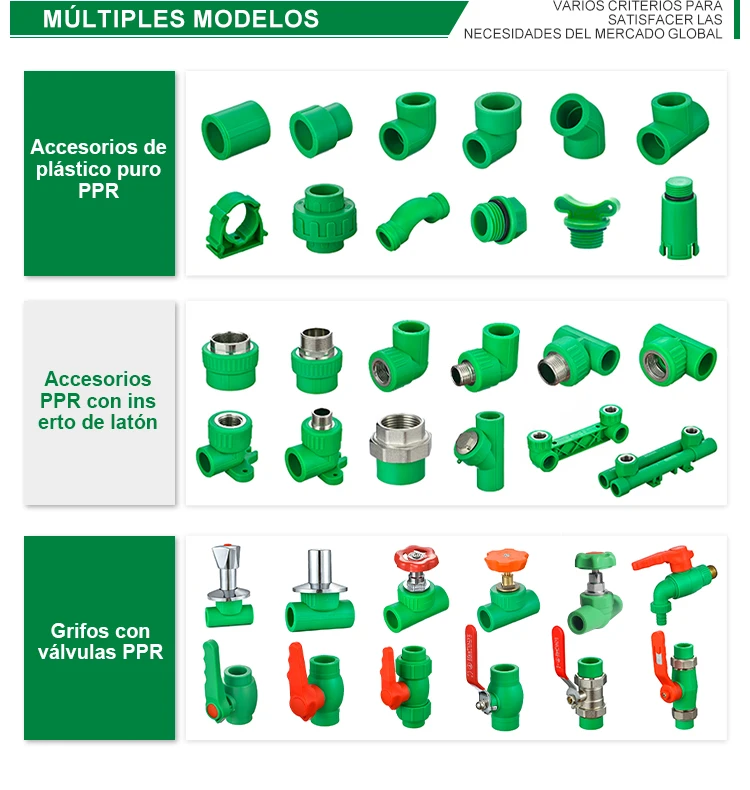
Maintaining PPR Te pipes ensures efficient plumbing systems and reduces repair costs. The “Tee” fitting, or “Te,” connects three pipes, making it vital for balanced water distribution. Regular maintenance prevents issues such as leaks or blockages, which, over time, can lead to larger problems. Understanding the steps to maintain these pipes will ensure a long-lasting, reliable system.
Why Regular Maintenance of PPR Te and Pipes Matters
Routine maintenance extends the lifespan of PPR Te pipes and prevents unexpected failures. PPR Te fittings, especially in high-demand areas, are prone to wear, which can reduce water flow efficiency. By regularly inspecting these fittings, homeowners can ensure the continued reliability of their systems. Investing in maintenance can save on future repairs and replacements.
Essential Tools for PPR Te Pipe Maintenance
Certain tools make PPR Te pipe maintenance easier, such as:
- Pipe Cutters: For precise cuts during repairs.
- Cleaning Solution: Prevents mineral buildup in pipes.
- Leak Detection Spray: Finds small leaks in fittings.
Having these on hand can simplify tasks and help detect early signs of wear.
Step-by-Step Guide to Cleaning PPR Te Pipes
- Turn Off Water Supply: Start by ensuring no water flows through the pipes.
- Remove Dirt: Wipe the pipe exterior with a damp cloth.
- Flush Pipes: Run clean water through the system to remove debris.
- Check for Buildup: Inspect the Te fitting for mineral deposits.
- Use a Mild Cleaner: Clean PPR Te fittings gently to avoid damage.
Routine cleaning keeps the system free of blockages and maintains water quality.
Common Issues in PPR Te Pipes and How to Solve Them
Some issues frequently arise in PPR Te pipes, including:
- Leaks: Often caused by loose connections; tightening may resolve this.
- Blockages: Mineral buildup restricts flow; flushing can help.
- Cracks in Fittings: Replace damaged Te fittings to prevent leaks.
Addressing these issues early helps avoid larger system failures.
Tips to Prevent PPR Te Pipe Damage
To prevent damage, follow these tips:
- Avoid Harsh Chemicals: Use mild cleaners to prevent corrosion.
- Install Pressure Regulators: This helps maintain optimal water pressure.
- Insulate Pipes: Prevents cracks and expansion due to extreme temperatures.
Protecting PPR Te pipes in these ways can reduce long-term maintenance.
Signs of Wear and When to Replace PPR Te Pipes
Know when to replace PPR Te pipes to avoid system issues. Common signs include:
- Decreased Water Pressure: Indicates possible blockages or leaks.
- Visible Wear: Cracks or discoloration on the fitting.
- Frequent Leaks: Recurrent leaks signal a need for replacement.
Regular inspection can help spot these signs and prevent more serious problems.
Conclusion: Keeping PPR Te Pipes in Good Condition
Maintaining
PPR Te pipes is straightforward with the right tools and knowledge. Routine cleaning, inspection, and using mild cleaners help keep the system in top shape. Proper care will prevent issues and ensure a long-lasting, efficient plumbing system.
FAQs on PPR Te Maintenance
1. How often should I clean my PPR Te pipes?
Cleaning every six months helps maintain a clear flow and prevents buildup.
2. What causes frequent leaks in PPR Te fittings?
Leaks often result from loose connections or high water pressure.
3. Can I use any cleaner on PPR Te pipes?
Use mild cleaners only; harsh chemicals can damage the fittings.
4. When should I replace a PPR Te fitting?
Replace it if you notice cracks, discoloration, or frequent leaks.
5. Are there signs that my PPR Te pipes need professional maintenance?
Decreased water flow or consistent leaks indicate it’s time for a professional inspection.
Normas internacionales de los productos IFAN
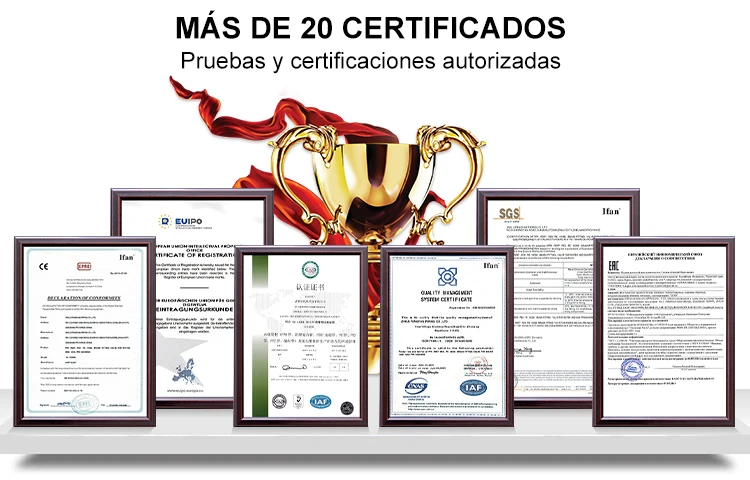
Se aseguran de que los productos, desde los sistemas de tuberías hasta las propiedades de los materiales, cumplan con los más altos estándares internacionales, incluidos, entre otros, ISO 4437, EN 1555, DIN 8074/8075, GB/T 13663, AS/NZS 4130, BS 5405, CSA B137.1, JIS B 8381 y estándares de materiales específicos como ASTM D3035, D3350, ISO 4427, EN 12201, JIS K6760, BS 6572. También cubren tuberías de acero inoxidable (p. ej., ASTM A312) y estándares para aplicaciones especializadas (p. ej., GB-T12777-2019, ISO 10380-2012, ASTM F2623), satisfaciendo de manera integral las estrictas demandas globales de productos de alta calidad.
Conectar
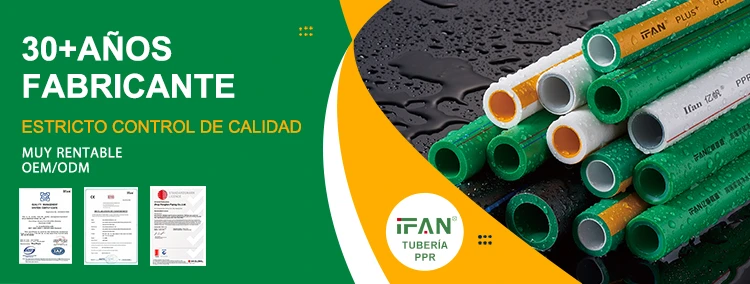
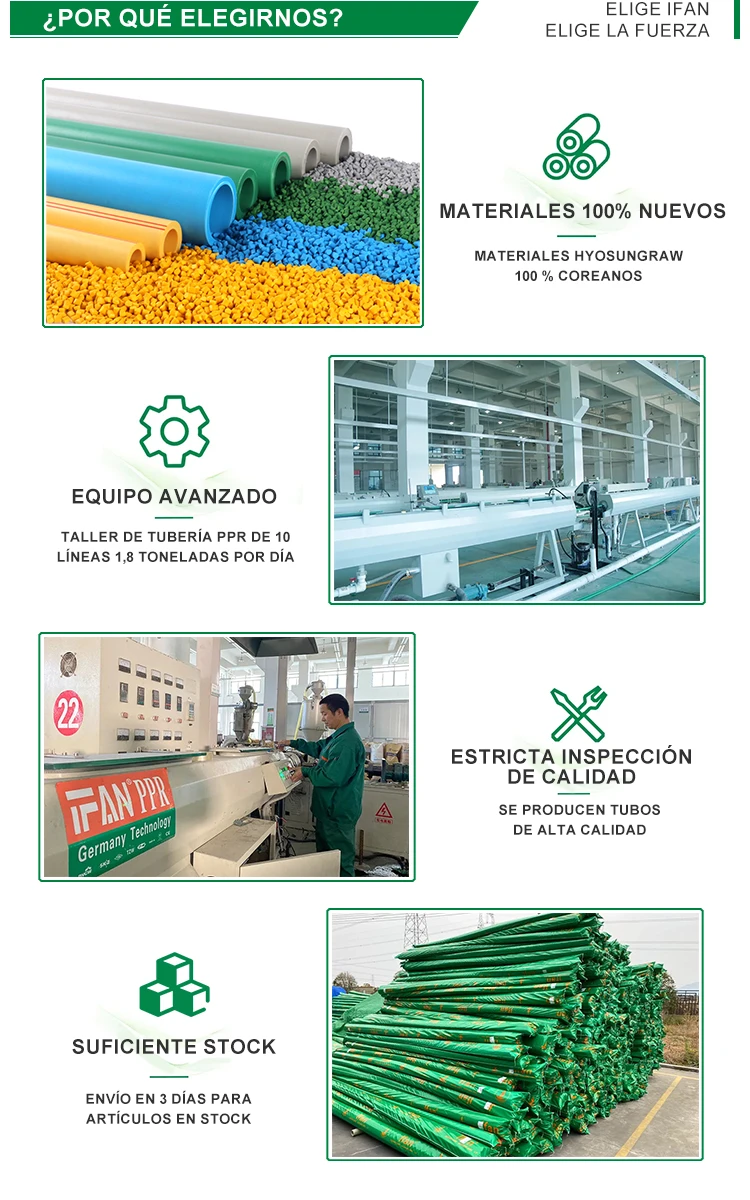
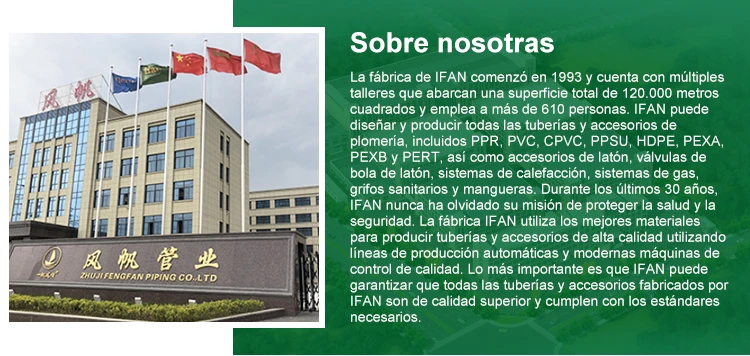
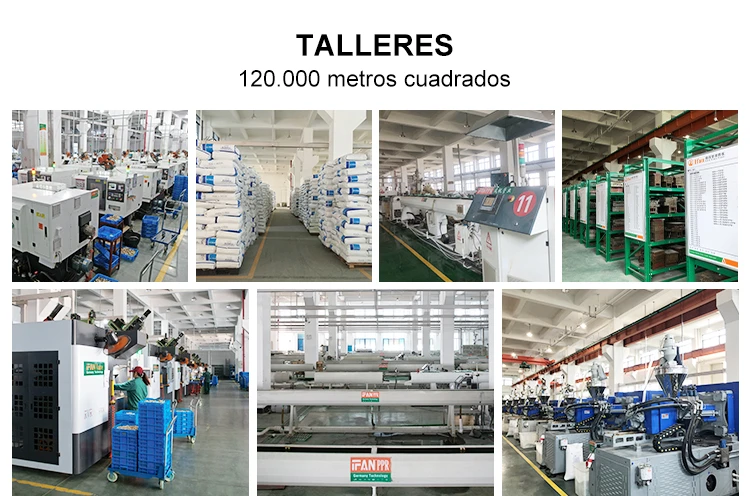
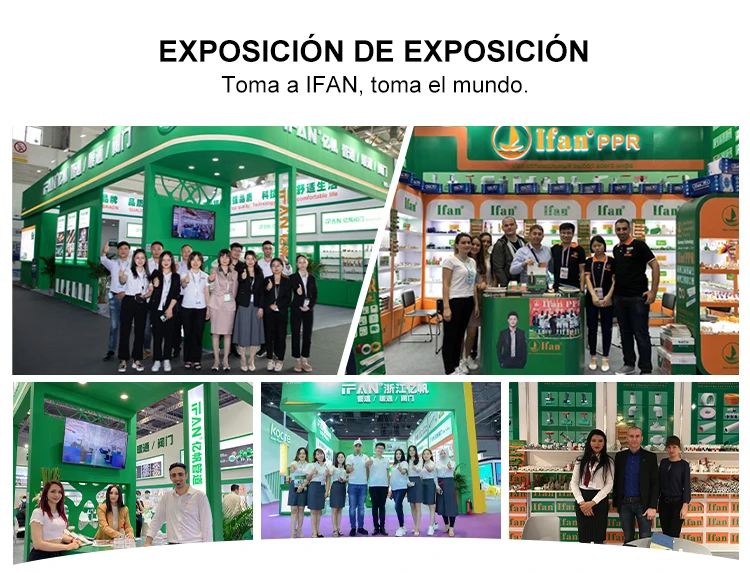
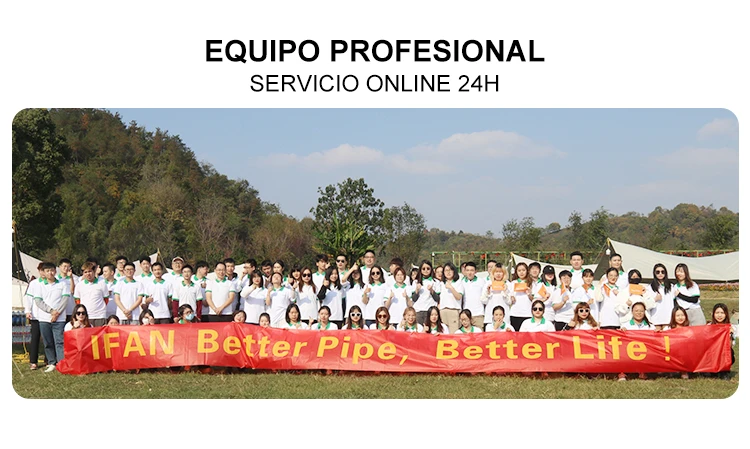
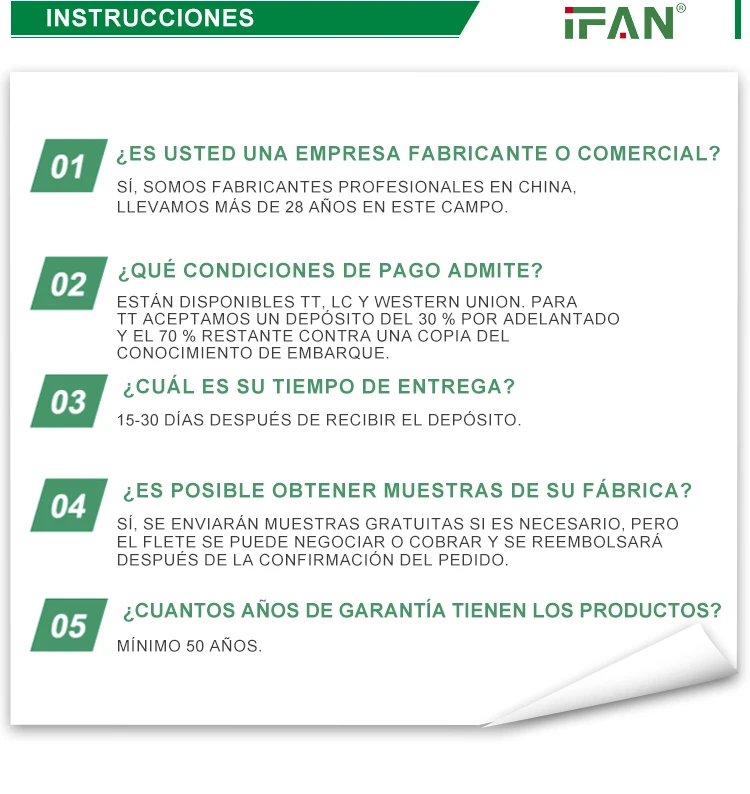
IFAN es un fabricante chino de tuberías, accesorios y válvulas de plástico con 30 años de experiencia. Si está interesado en accesorios de cobre, válvulas de cobre, tuberías y accesorios de plástico de IFAN, comuníquese con nosotros. IFAN le ofrece una variedad de tuberías estándar para satisfacer sus necesidades específicas. Haga clic a continuación para obtener más información sobre la amplia gama de productos de válvulas y sistemas de tuberías asequibles y rentables de IFAN.Responderemos su correo electrónico o fax dentro de las 24 horas.Puede llamarnos en cualquier momento si tiene alguna pregunta sobre nuestra producción.Envíenos un correo electrónico a:
[email protected]Whatsapp: + 86 15215887738