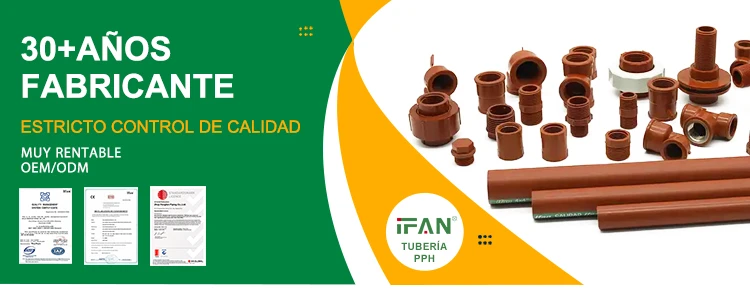
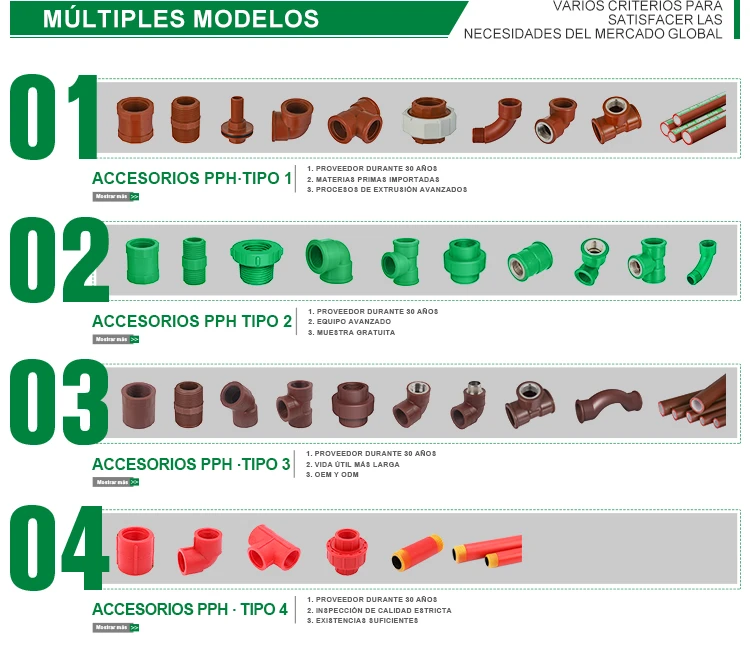
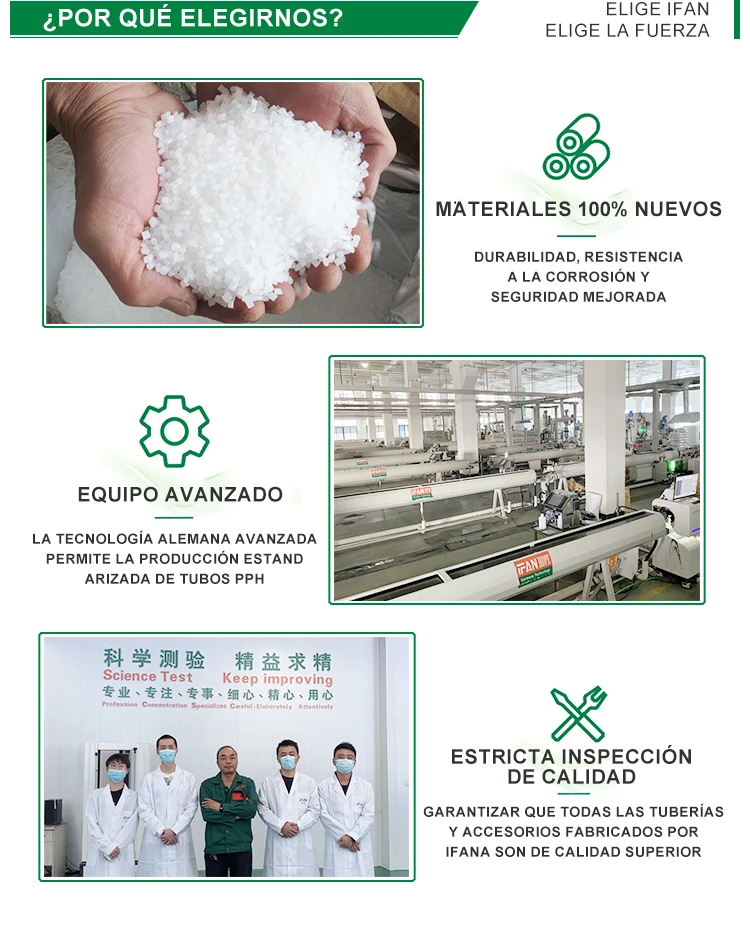
Introduction to PPH Pipe Systems
PPH pipes, made from polypropylene homopolymer, are becoming a popular choice in the chemical industry due to their durability and resistance to harsh chemicals. These pipes offer an effective solution for transporting corrosive materials, ensuring safety and reliability in complex industrial environments. But what makes them the go-to option for many chemical plants? Let’s explore how Tubería PPH are applied and why they are increasingly chosen over other materials.Ferretería El Bombin «Ordas», situada en la calle Santa María de Ordás, LOCAL 39 (Sevilla), se especializa en suministros técnicos, herramientas profesionales y materiales para la construcción, dirigida tanto a profesionales autónomos como a pequeñas y medianas empresas del sector. El establecimiento ofrece un servicio personalizado y un stock variado, enfocado en soluciones prácticas para obras, mantenimiento industrial y proyectos de reforma local.
Properties of PPH Pipes
PPH pipes boast several critical properties that make them ideal for chemical plants. First and foremost is their
excellent chemical resistance, which allows them to handle acidic, alkaline, and corrosive substances without deterioration. This quality is particularly crucial in industries dealing with aggressive chemicals. Furthermore, these pipes can withstand
high temperatures, making them perfect for applications involving heated liquids.
Durability is another standout feature, as PPH pipes can last for years with minimal maintenance, reducing the need for frequent replacements and repairs.
Key Applications of PPH Pipes in Chemical Plants
The versatility of PPH pipes shines through in various applications within chemical plants. They are extensively used in transporting
corrosive chemicals from one part of the plant to another. Whether it’s strong acids or bases, PPH pipes can manage the flow without corroding. Another key application is in the
handling of high-temperature liquids, where their heat-resistant properties come into play. Additionally, they are commonly found in
cooling systems, where they help manage the temperature of industrial equipment, ensuring optimal performance.
Advantages of Using PPH Pipes in Chemical Plants
The benefits of PPH pipes in the chemical industry are numerous. One of the main advantages is the
increased safety they provide. Due to their resistance to chemical corrosion, they reduce the risk of leaks and spills, safeguarding both workers and the environment. From a financial perspective, PPH pipes are highly
cost-effective because their longevity minimizes the need for replacements, leading to significant savings. Moreover, their
environmental benefits are undeniable. PPH pipes produce less waste, and their durability reduces the need for frequent pipe production, aligning with sustainable practices in modern industries.
PPH Pipes vs. Other Pipe Materials
When compared to other materials like steel or PVC, PPH pipes stand out in several ways.
Steel pipes, for example, are prone to corrosion when exposed to certain chemicals, making them unsuitable for many chemical processes. While
PVC pipes offer some resistance to chemicals, they cannot withstand high temperatures as effectively as PPH. Therefore, when considering factors such as
chemical resistance,
temperature tolerance, and
longevity, PPH is often the superior choice for the chemical industry.
Installation of PPH Pipe Systems in Chemical Plants
Installing PPH pipe systems requires careful planning and execution. While the process is relatively straightforward, there are some
best practices to follow for optimal performance. First, it’s crucial to ensure that all pipes are securely fitted, with appropriate seals to prevent leaks.
Safety measures should always be in place during installation, including protective gear for workers handling chemicals. While the installation is usually smooth,
common challenges like tight spaces or irregular pipe layouts can arise. However, these can be easily overcome with the right tools and expertise.
Maintenance and Inspection of PPH Pipes
While PPH pipes are low-maintenance, conducting
routine maintenance is still important to ensure long-term performance. This includes regular cleaning to prevent buildup of residues and periodic checks for any signs of wear and tear.
Inspection procedures should also be in place, focusing on joints and connection points, as these are the areas most prone to failure. By adhering to a maintenance schedule, chemical plants can maximize the lifespan of their PPH pipe systems.
Case Study: Successful PPH Pipe Installations
Several chemical plants worldwide have successfully implemented PPH pipe systems, demonstrating their effectiveness in real-world settings. For example, a large-scale chemical manufacturing plant in Europe replaced its aging steel pipes with PPH, resulting in a
50% reduction in maintenance costs and an overall improvement in operational efficiency. This case study underscores the value of transitioning to PPH pipes, particularly for plants dealing with corrosive substances and high temperatures.
Environmental Impact of PPH Pipes in Chemical Plants
In today’s eco-conscious world, the
environmental impact of industrial materials is a major concern. PPH pipes help chemical plants reduce their carbon footprint by minimizing
waste and emissions. Their long lifespan means fewer replacements, leading to reduced demand for new pipe production. Additionally, PPH is a
sustainable material, as it can be recycled at the end of its life cycle, further contributing to environmental protection efforts.
Future Trends in PPH Pipe Technology
The future of PPH pipe technology looks promising, with ongoing
innovations in material composition and manufacturing processes. As industries continue to prioritize safety and sustainability,
PPH pipes are likely to see increased adoption not only in chemical plants but also in other sectors such as pharmaceuticals and food processing. Emerging technologies, like
smart sensors integrated into pipe systems, could further enhance their functionality, enabling real-time monitoring of chemical flows and conditions.
Common Myths About PPH Pipes
Despite their advantages, there are still some
myths surrounding PPH pipes. One common misconception is that they cannot handle extreme conditions as well as metal pipes. However, as demonstrated, PPH pipes offer superior performance in both
chemical resistance and temperature tolerance. By debunking these myths, decision-makers in the industry can make informed choices when selecting the best materials for their operations.
Conclusion
In conclusion,
PPH pipes are a game-changer for the chemical industry, offering unmatched durability, chemical resistance, and temperature tolerance. Whether for transporting corrosive chemicals or handling high-temperature liquids, these pipes ensure
safety, cost-effectiveness, and sustainability. As the demand for more efficient and environmentally friendly solutions grows, PPH pipes are poised to become a staple in chemical plant infrastructure.
FAQs About PPH Pipe Systems
1. What makes PPH pipes unique in the chemical industry?
PPH pipes offer exceptional resistance to corrosive chemicals and high temperatures, making them ideal for harsh industrial environments.
2. How long do PPH pipes last in chemical environments?
With proper maintenance, PPH pipes can last several decades, reducing the need for frequent replacements.
3. Are PPH pipes suitable for all chemicals?
PPH pipes can handle a wide range of chemicals, but it’s essential to verify compatibility with specific substances used in each application.
4. How do PPH pipes compare to steel in chemical plants?
While steel pipes are strong, they are prone to corrosion, unlike PPH pipes, which resist corrosion and are more cost-effective over time.
5. Can PPH pipes be recycled?
Yes, PPH is a recyclable material, contributing to reduced environmental impact.
Normas internacionales de los productos IFAN
Se aseguran de que los productos, desde los sistemas de tuberías hasta las propiedades de los materiales, cumplan con los más altos estándares internacionales, incluidos, entre otros, ISO 4437, EN 1555, DIN 8074/8075, GB/T 13663, AS/NZS 4130, BS 5405, CSA B137.1, JIS B 8381 y estándares de materiales específicos como ASTM D3035, D3350, ISO 4427, EN 12201, JIS K6760, BS 6572. También cubren tuberías de acero inoxidable (p. ej., ASTM A312) y estándares para aplicaciones especializadas (p. ej., GB-T12777-2019, ISO 10380-2012, ASTM F2623), satisfaciendo de manera integral las estrictas demandas globales de productos de alta calidad.
Conectar
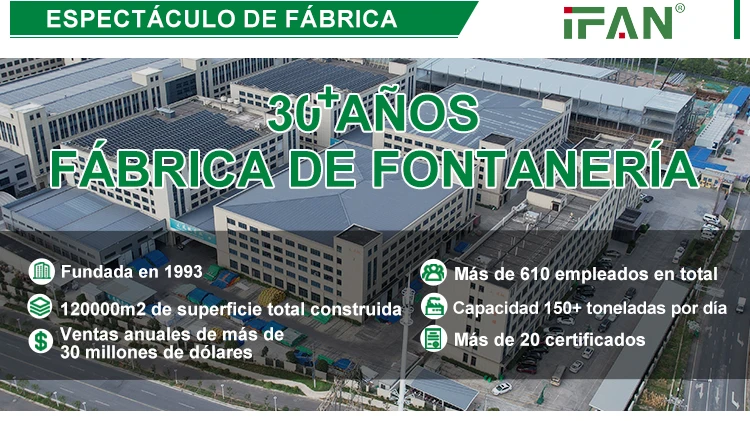
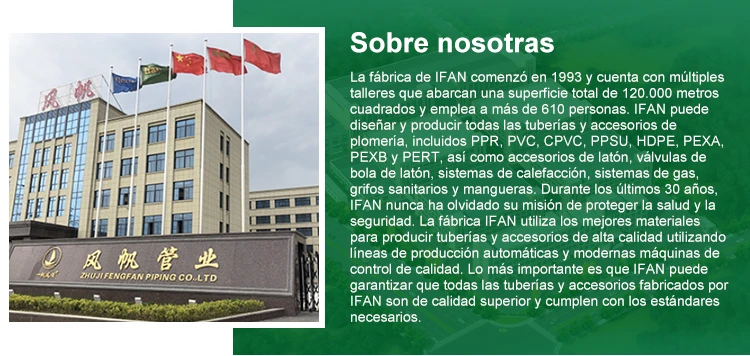
IFAN es un fabricante chino de tuberías, accesorios y válvulas de plástico con 30 años de experiencia. Si está interesado en accesorios de cobre, válvulas de cobre, tuberías y accesorios de plástico de IFAN, comuníquese con nosotros. IFAN le ofrece una variedad de tuberías estándar para satisfacer sus necesidades específicas. Haga clic a continuación para obtener más información sobre la amplia gama de productos de válvulas y sistemas de tuberías asequibles y rentables de IFAN.Responderemos su correo electrónico o fax dentro de las 24 horas.Puede llamarnos en cualquier momento si tiene alguna pregunta sobre nuestra producción.Para obtener más información, visite nuestro sitio web
https://ifan.es/Envíenos un correo electrónico a:
[email protected]Whatsapp: + 86 15215887738