Tips for Caring for PPR Pipes
Introduction to PPR Pipes and PPR Couplings (PPR Copla)
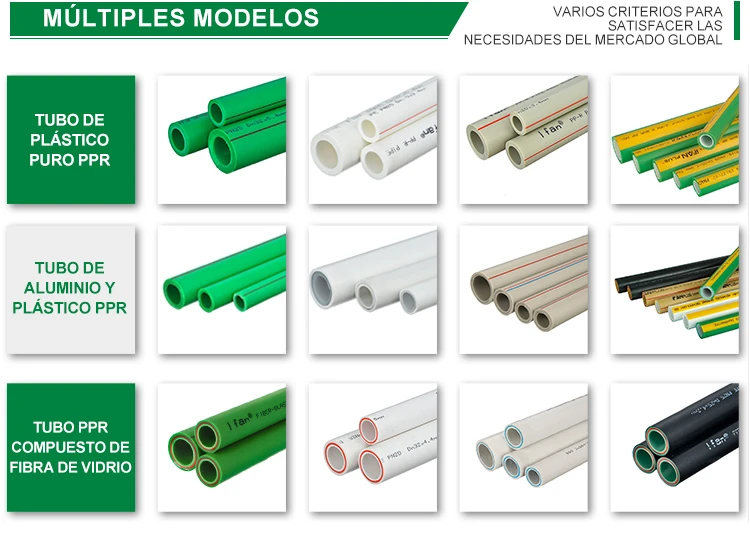
PPR pipes, made from polypropylene random copolymer, are known for their durability and reliability in plumbing. Due to their resistance to high temperatures and corrosion, they’re widely used for both residential and commercial piping systems. However, like any system, PPR pipes require regular care to maintain their efficiency and longevity.A key component in PPR piping systems is the
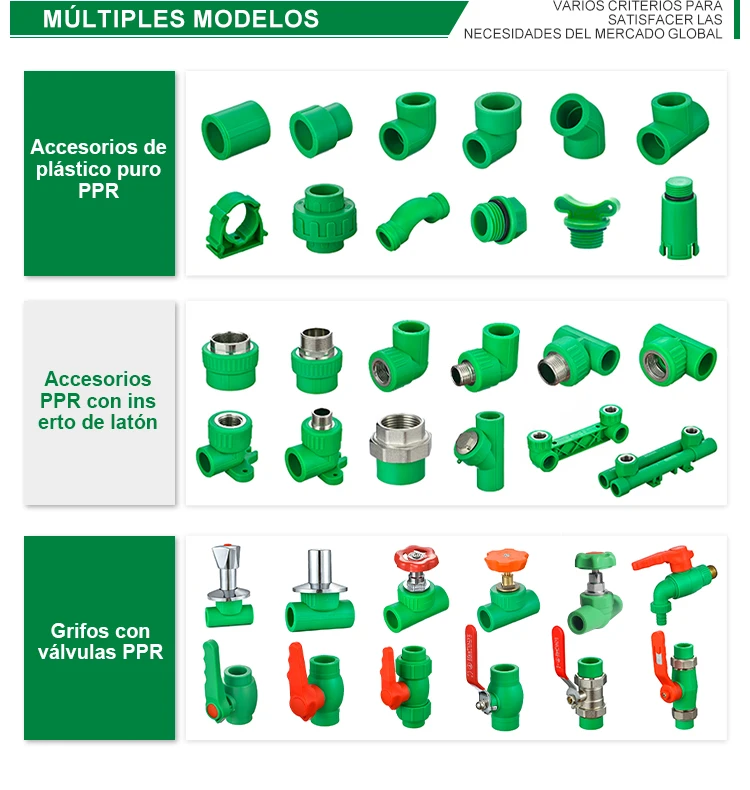
PPR coupling, or «PPR copla,» which is essential for connecting sections of piping securely. Proper maintenance of both pipes and couplings is necessary to ensure optimal performance and to prevent potential leaks or damage.
Why Proper Maintenance of PPR Pipes Matters
Maintaining PPR pipes not only prevents damage but also saves on repair costs in the long run. Regular care ensures that PPR pipes continue to operate efficiently without unexpected issues. For instance, without proper maintenance, mineral build-up or corrosion could interfere with water flow, leading to blockages or leaks.The
PPR coupling (PPR copla) is particularly important since it holds pipes together and manages the pressure across the system. Over time, connections can loosen or degrade, which could lead to leaks or water damage. Ensuring proper care of the couplings alongside the pipes can increase the life of the entire plumbing setup.
Choosing the Right PPR Coupling (PPR Copla) for the Job
Using the correct
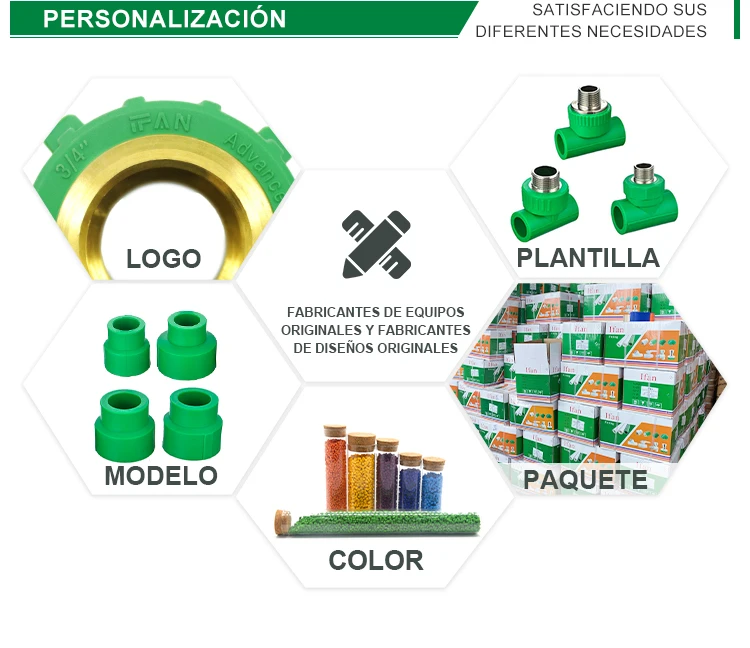
PPR copla type for each section of the piping system is essential. Various couplings serve different purposes, and using the wrong type may lead to inefficiencies or even damage. PPR couplings come in different sizes and shapes, so it’s important to choose one that fits securely and aligns with the system’s requirements.When choosing a
PPR copla, consider factors like temperature, pressure, and the type of liquid being transported. High-pressure systems, for instance, require couplings that can withstand increased strain. Choosing the right coupling from the start can prevent issues and reduce the need for future repairs.
Best Practices for Installing PPR Couplings
Proper installation of the
PPR copla is crucial for a leak-free system. Start by cleaning the ends of each pipe and the interior of the coupling to remove any debris. Even a small amount of dust can affect the connection quality and potentially lead to leaks over time. After cleaning, apply a moderate amount of heat to soften the ends of the pipes, which makes it easier to insert them into the coupling.Once connected, ensure there are no gaps, and the coupling holds tightly around both pipes. Misalignment during installation can weaken the seal and reduce the lifespan of the coupling. Finally, allow the pipes and the
PPR copla to cool completely before testing the connection. This ensures a solid and durable seal that can withstand regular usage and pressure changes.
Regular Inspection and Cleaning of PPR Pipes and Couplings
Regular inspections are key to maintaining a healthy PPR piping system. Look for any signs of wear or weakness around each
PPR copla connection, as well as the pipes themselves. Discoloration, warping, or small cracks are all warning signs that the system may require attention.In addition to visual inspections, cleaning is also essential. Over time, mineral deposits or dirt can accumulate inside the pipes, affecting water flow and pressure. Use a mild cleaning solution specifically designed for PPR materials, as some chemicals can damage the pipes or couplings.
Preventing Common Issues with PPR Couplings
Several common issues can arise with
PPR copla connections, especially if they are not properly maintained. For example, fluctuating water temperatures can cause the material to expand and contract, which can loosen the coupling over time. To prevent this, regularly check the tightness of each coupling, especially in areas with significant temperature changes.Another common issue is mineral buildup inside the pipes and couplings, which can restrict water flow. Preventing this requires routine cleaning and potentially installing a water softener to reduce mineral content in the water. Addressing these common issues early on helps maintain smooth operation and reduces the likelihood of major repairs down the line.
Maintaining Efficiency and Longevity of PPR Plumbing Systems
An efficient PPR plumbing system depends on the combined performance of pipes,
PPR copla connections, and proper maintenance practices. By following installation guidelines and performing regular checks, you can extend the lifespan of your PPR system significantly. Minor maintenance routines, such as checking for leaks and inspecting the
PPR copla for any signs of wear, can go a long way in maintaining a high-functioning plumbing setup.To enhance the efficiency of your system, also consider insulating exposed pipes to prevent temperature-related expansion and contraction. This helps the pipes maintain their shape and prevents the
PPR copla from loosening due to material shifts. Investing in regular maintenance ultimately minimizes repair costs and enhances the overall reliability of your plumbing system.
Conclusion
In conclusion, caring for PPR pipes and
PPR copla connections is essential for a dependable plumbing system. By understanding the importance of each component, choosing the right couplings, and performing regular maintenance, you can ensure your PPR pipes function optimally for years to come.
FAQs
1. How often should I inspect my PPR pipes and couplings?
It’s best to inspect your PPR pipes and
PPR copla connections every six months to catch any signs of wear early.
2. Can I use household cleaners on my PPR pipes?
Avoid harsh chemicals; use mild cleaners designed for PPR materials to avoid damaging the pipes and couplings.
3. Why do my PPR couplings keep loosening?
Temperature fluctuations or improper installation may cause loosening. Regularly check tightness and ensure proper installation.
4. What should I do if I notice a leak in my PPR coupling?
Turn off the water supply immediately and assess the coupling for wear. Consider replacing it if it shows signs of damage.
5. How can I prevent mineral buildup in my PPR pipes?
Install a water softener to reduce mineral content, and clean the pipes regularly to prevent buildup and maintain water flow.
Normas internacionales de los productos IFAN
Se aseguran de que los productos, desde los sistemas de tuberías hasta las propiedades de los materiales, cumplan con los más altos estándares internacionales, incluidos, entre otros, ISO 4437, EN 1555, DIN 8074/8075, GB/T 13663, AS/NZS 4130, BS 5405, CSA B137.1, JIS B 8381 y estándares de materiales específicos como ASTM D3035, D3350, ISO 4427, EN 12201, JIS K6760, BS 6572. También cubren tuberías de acero inoxidable (p. ej., ASTM A312) y estándares para aplicaciones especializadas (p. ej., GB-T12777-2019, ISO 10380-2012, ASTM F2623), satisfaciendo de manera integral las estrictas demandas globales de productos de alta calidad.
Conectar
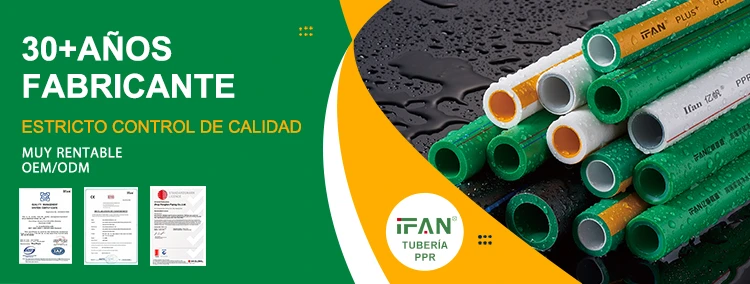
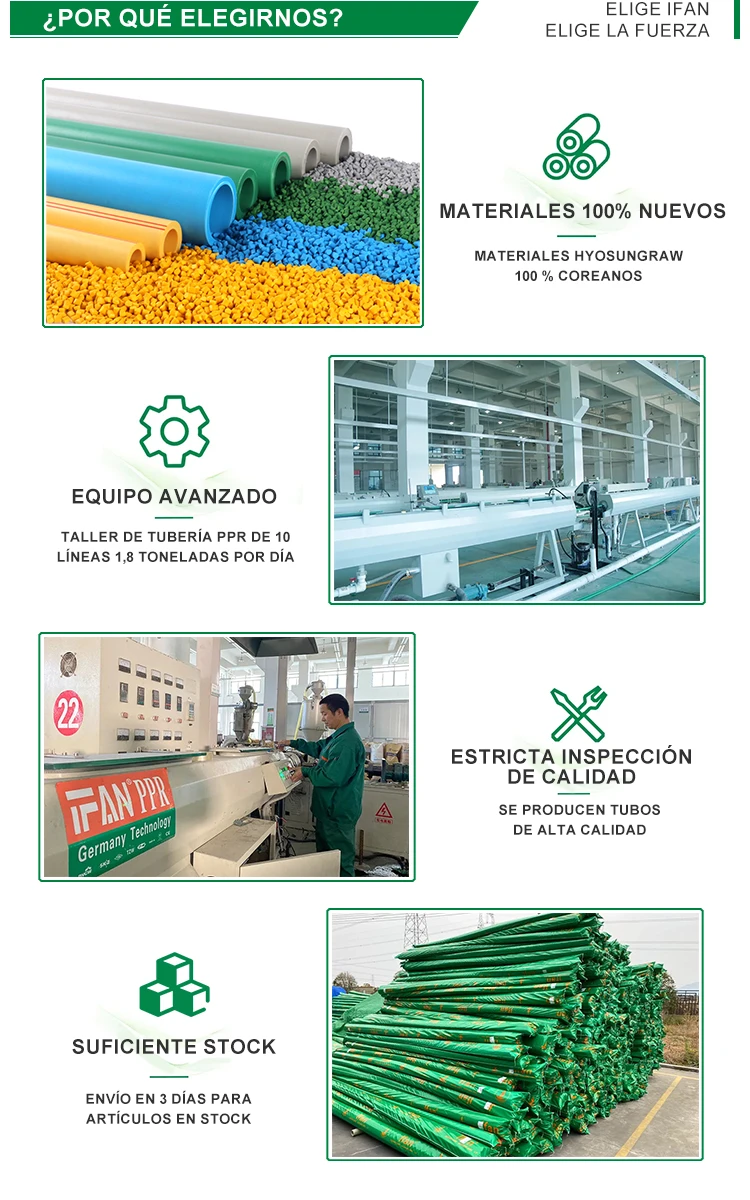
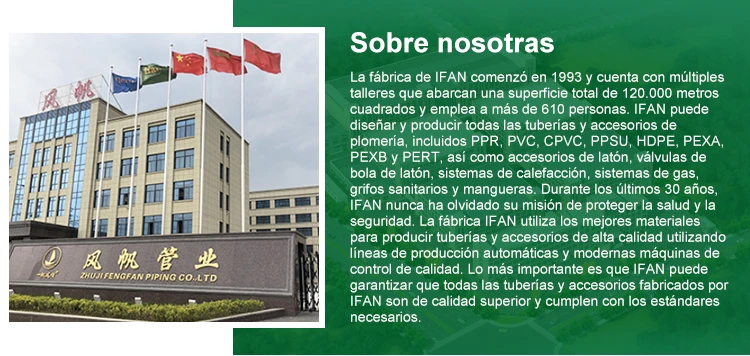
IFAN es un fabricante chino de tuberías, accesorios y válvulas de plástico con 30 años de experiencia. Si está interesado en accesorios de cobre, válvulas de cobre, tuberías y accesorios de plástico de
IFAN, comuníquese con nosotros. IFAN le ofrece una variedad de tuberías estándar para satisfacer sus necesidades específicas. Haga clic a continuación para obtener más información sobre la amplia gama de productos de válvulas y sistemas de tuberías asequibles y rentables de IFAN.Responderemos su correo electrónico o fax dentro de las 24 horas.Puede llamarnos en cualquier momento si tiene alguna pregunta sobre nuestra producción.Envíenos un correo electrónico a:
[email protected]Whatsapp: + 86 15215887738